Johnson Market
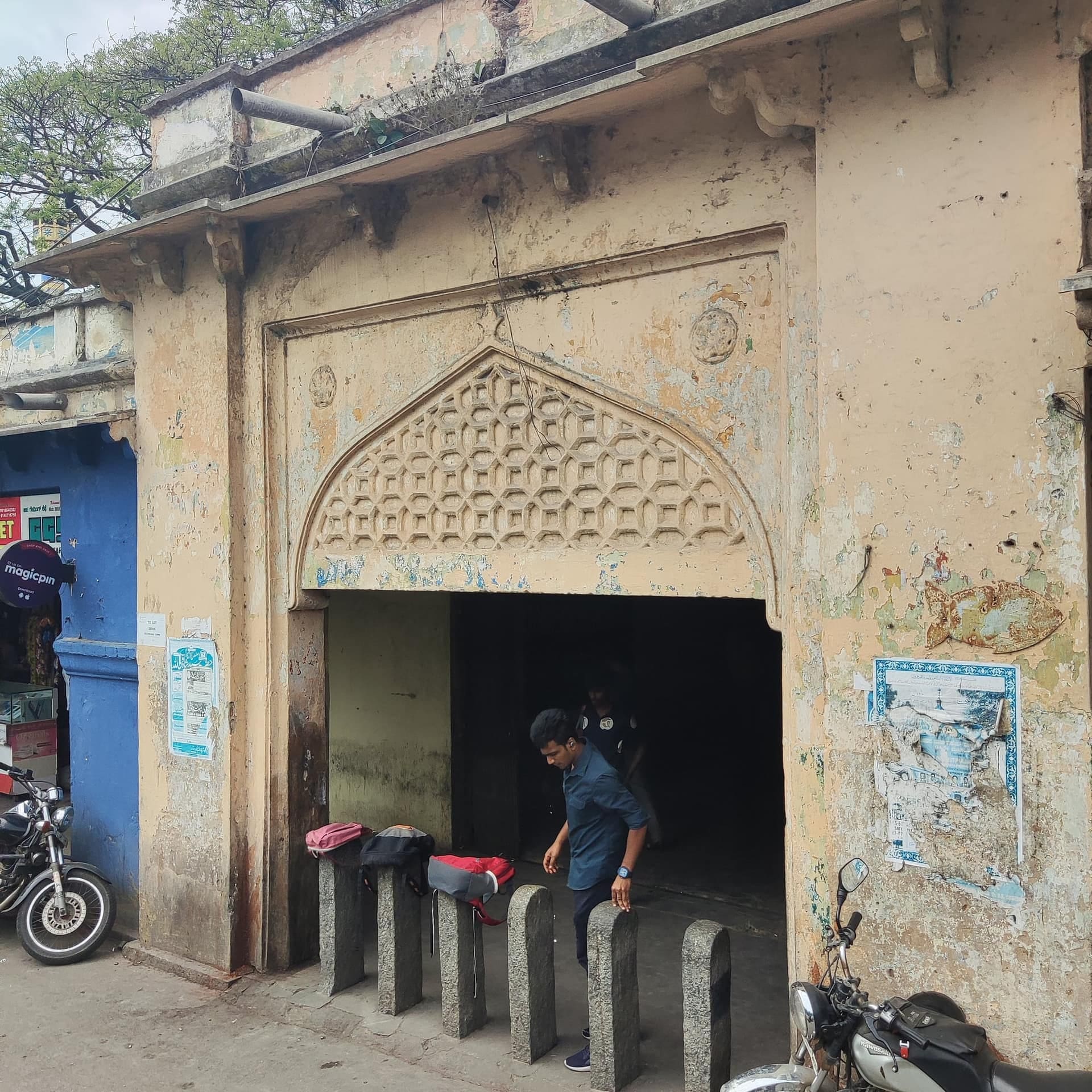
A 1929 market complex in Richmond Town, built on land once used as horse stables; most trade now happens on its outer edge, with kebab, biryani and tea spots in the lanes around it.
Why it’s here: Hidden gemHidden spot
Your mood
Ranked by unusual signals: the hidden-gem and late-night vibes, hidden spots and pop-ups, and descriptions with an odd twist.

A 1929 market complex in Richmond Town, built on land once used as horse stables; most trade now happens on its outer edge, with kebab, biryani and tea spots in the lanes around it.
Why it’s here: Hidden gemHidden spot

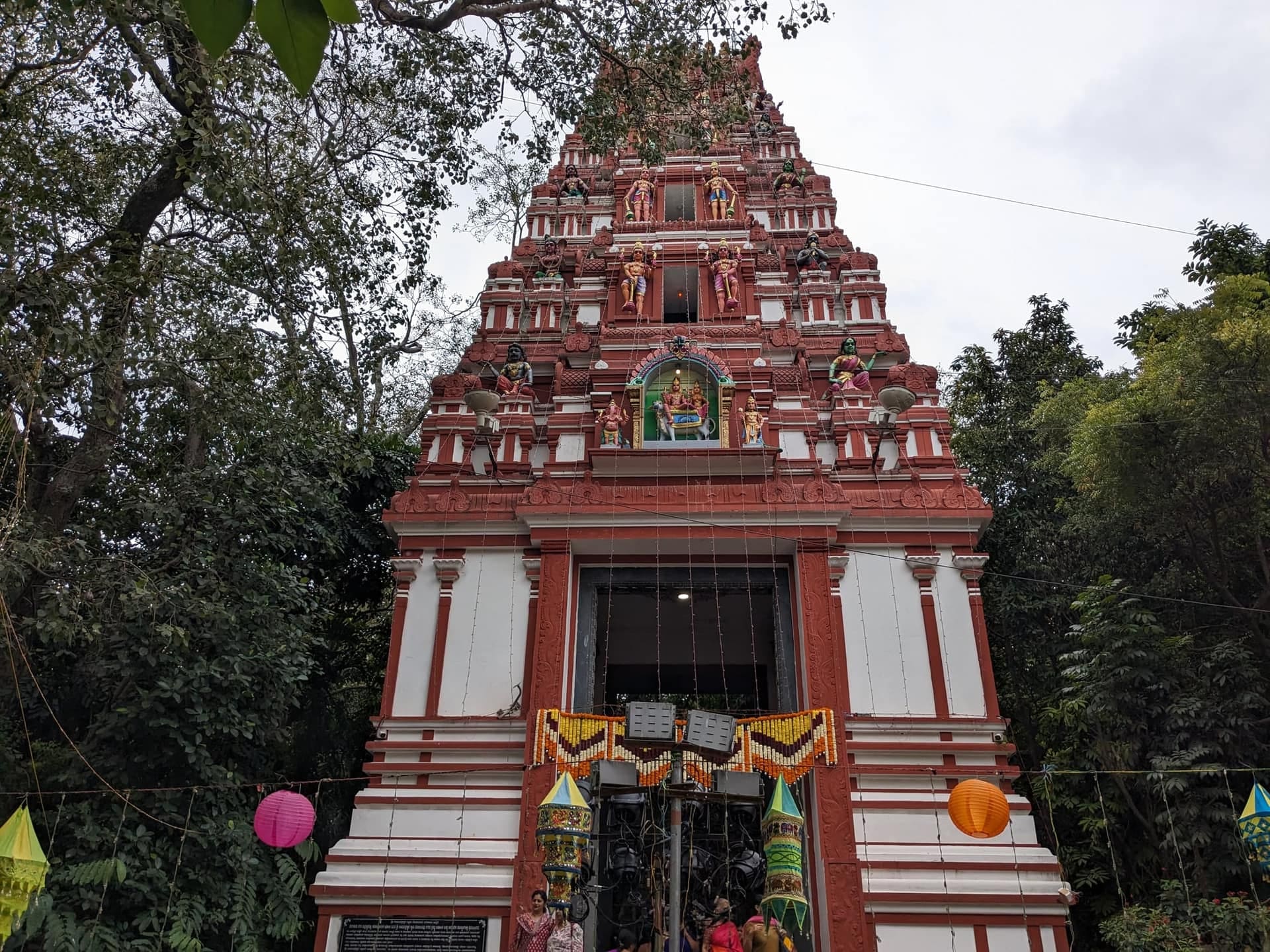
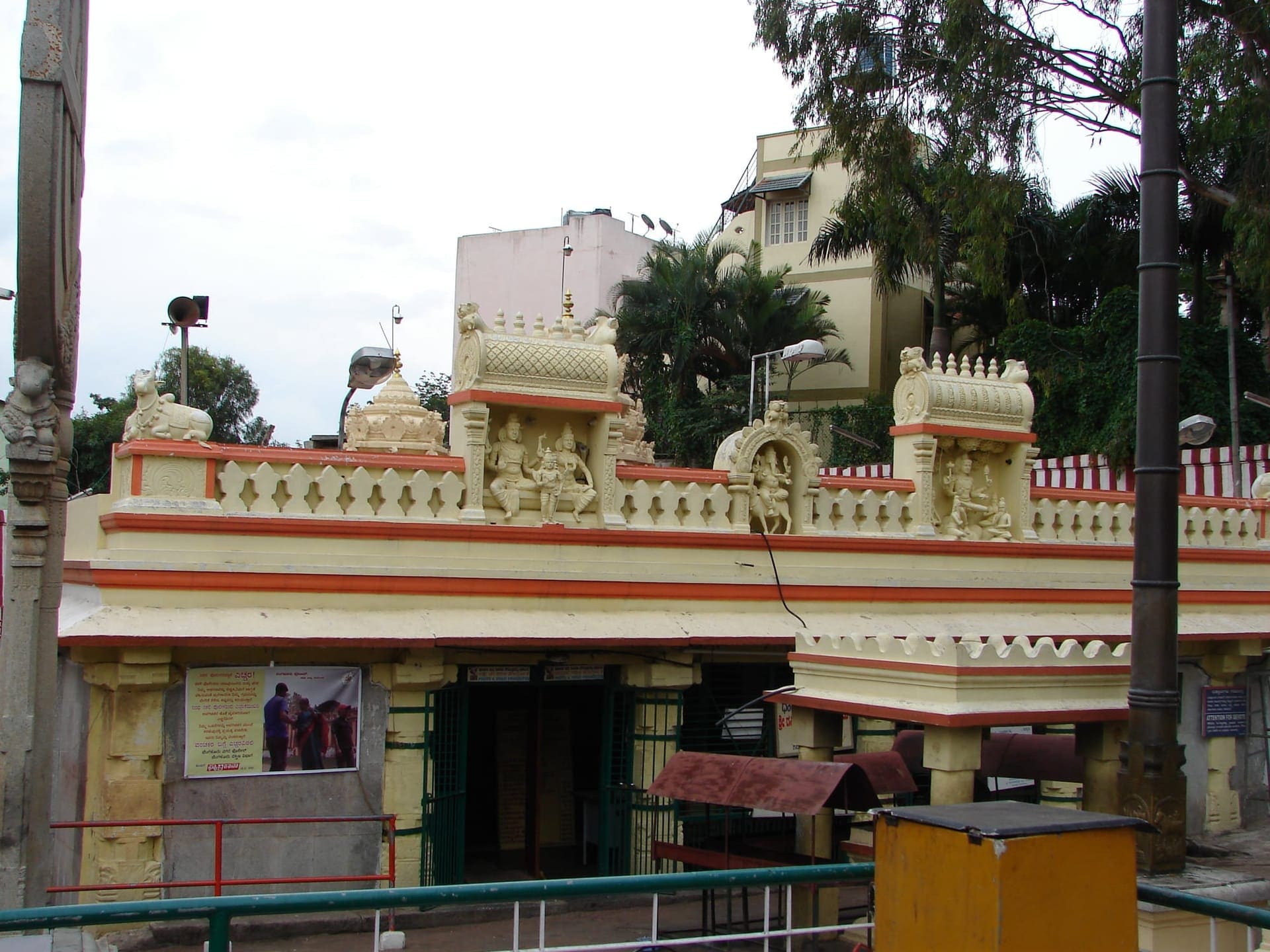
A Shiva temple carved into a natural cave in Gavipuram, known for the granite sun and moon discs in its forecourt and the Sankranti evening when sunlight reaches the linga.
Why it’s here: Hidden gemHidden spot
A Dravidian-style Shiva temple in Malleshwaram, developed in 1669 by Venkoji, step-brother of Shivaji; the Nandishwara Teertha shrine stands just in front.
Why it’s here: Hidden gemHidden spot
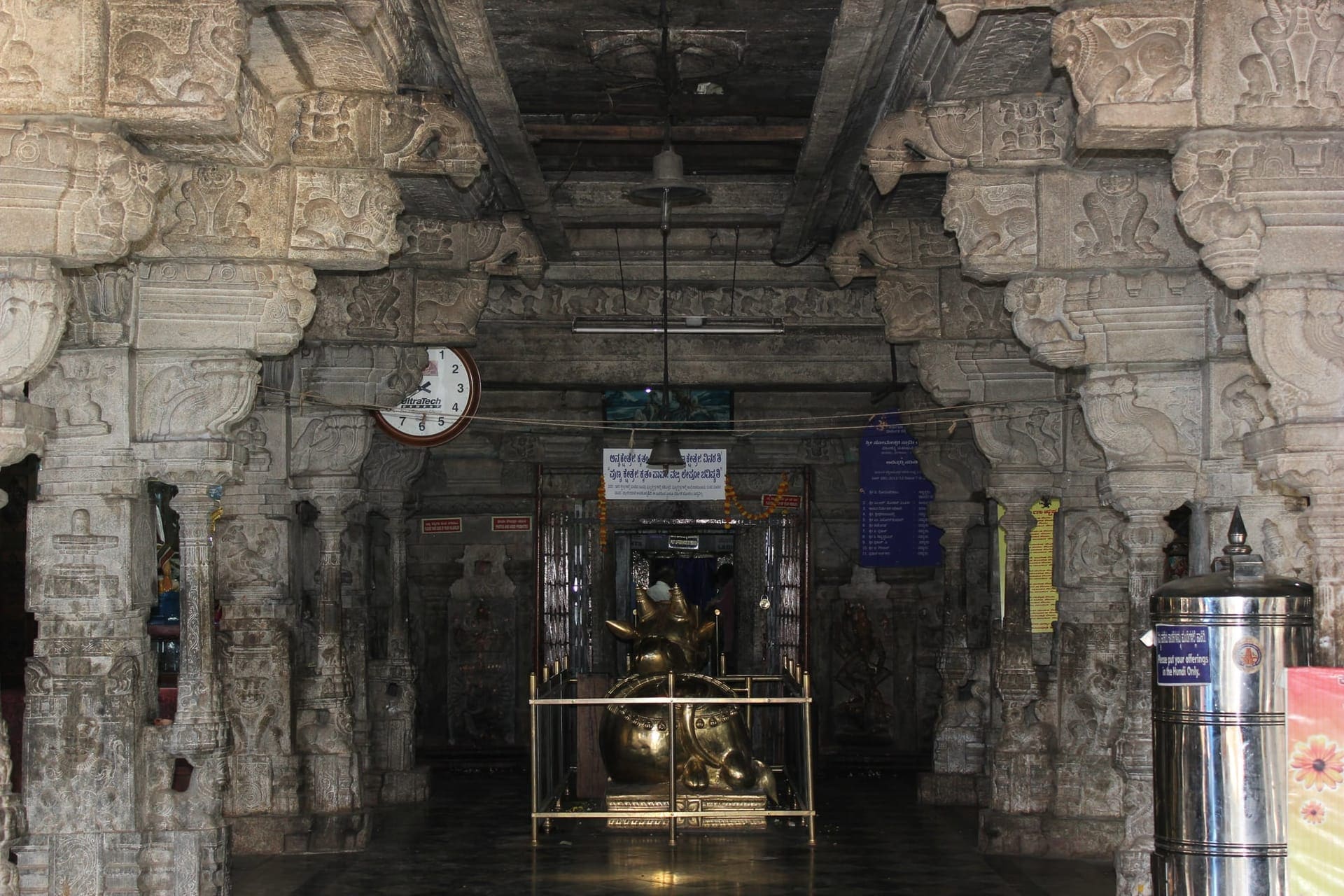
A Shiva temple in Halasuru with Chola-era roots, reworked under Kempe Gowda II, with a 16th-century gopura and a 48-pillar hall carved with scenes like Shiva and Parvati's wedding.
Why it’s here: Hidden gemHidden spot
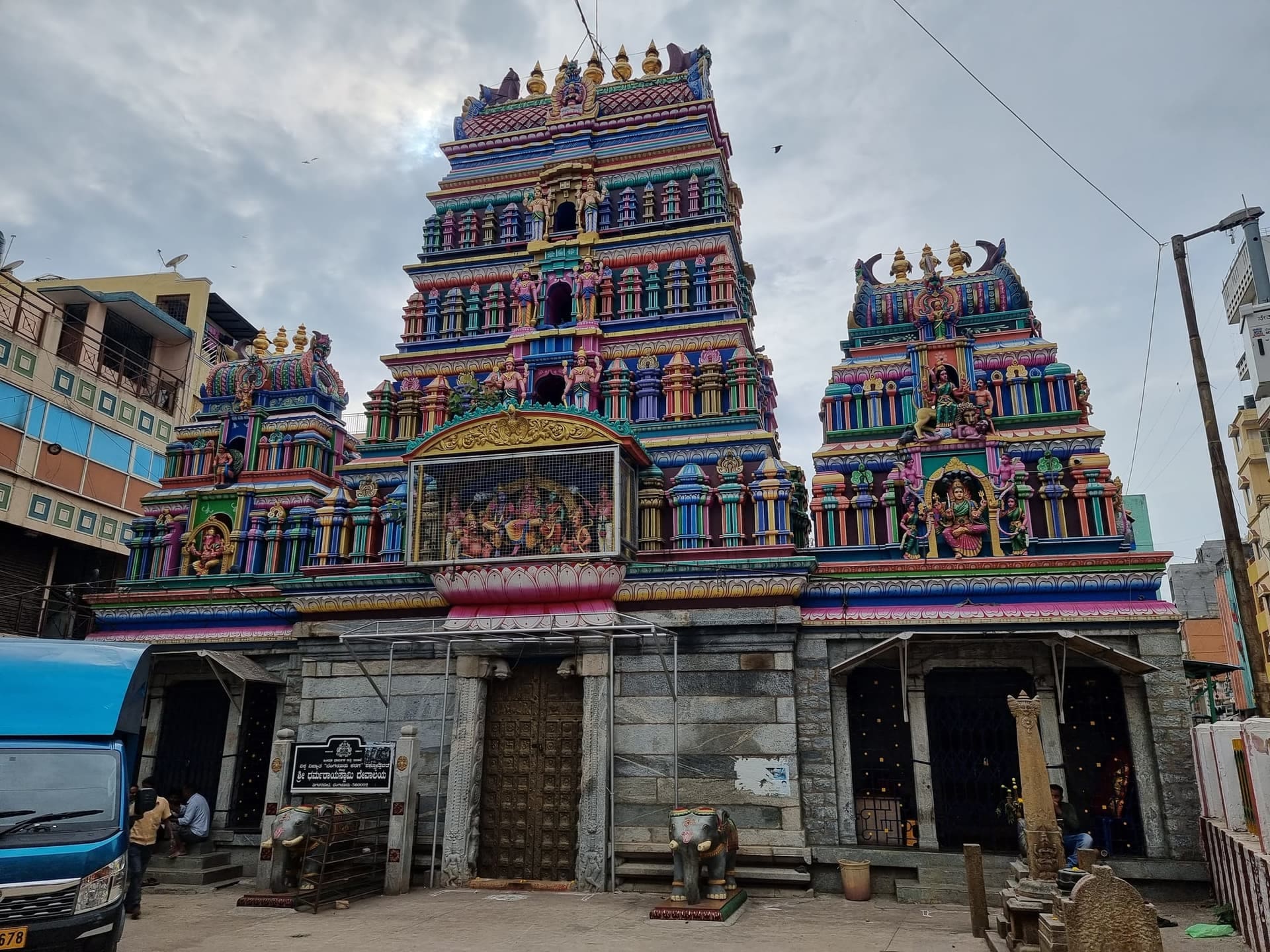
An old Dravidian-style temple in the Pete dedicated to the Pandavas, Krishna and Draupadi. It is the ritual centre of the Bengaluru Karaga, whose night procession starts and ends here each spring.
Why it’s here: Hidden gemHidden spot
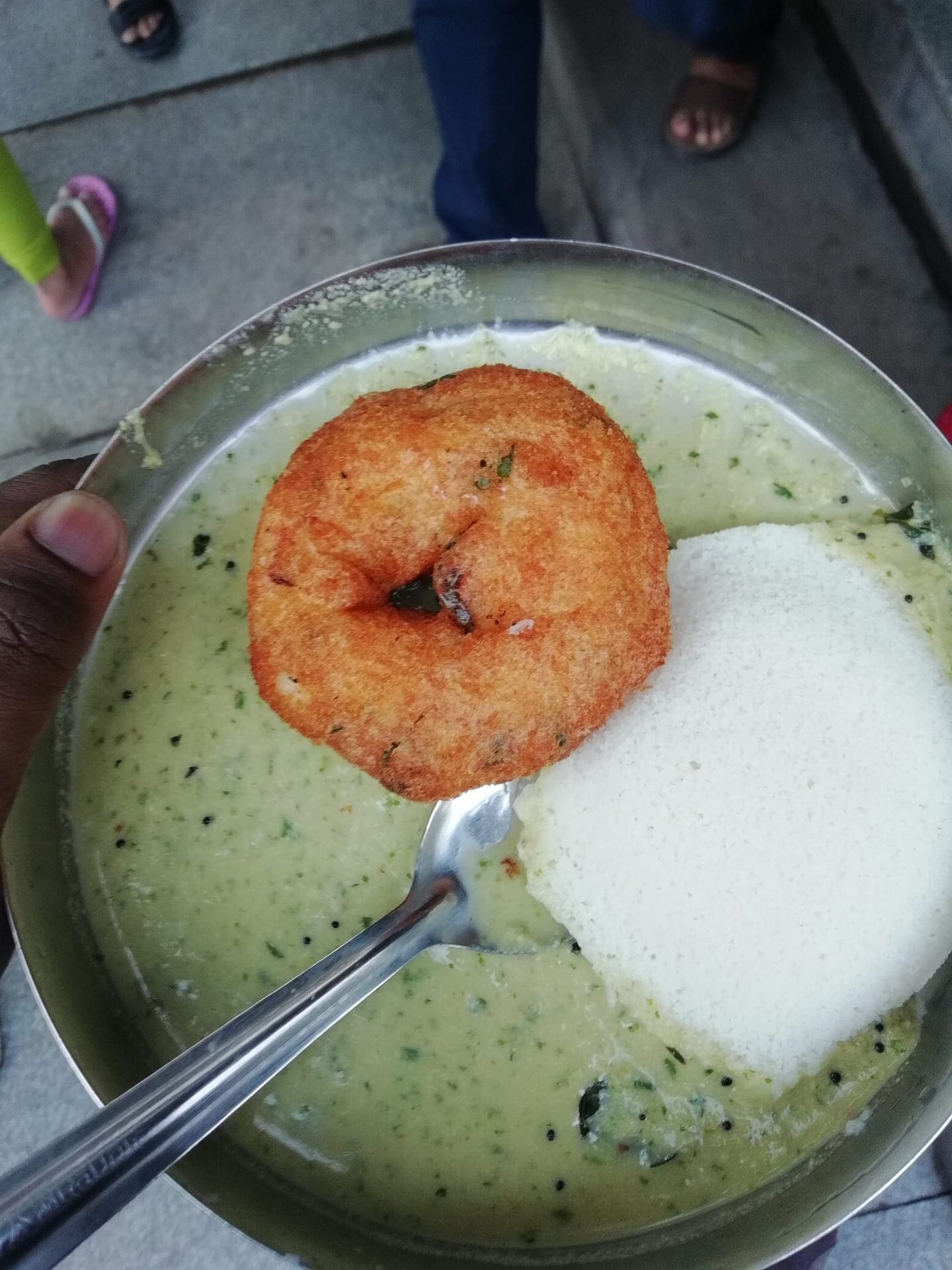
Standing-only South Indian breakfast counter running since the 1960s. The short menu is idli, vada, khara bath, kesari bath and filter coffee, served with green coconut chutney and no sambar.
Why it’s here: Hidden spotDescribed as “tiny”

A patch of scrub and dry deciduous forest off Kanakapura Road near Uttarahalli and Banashankari 6th Stage, with a 38-acre tree park on one side. Researchers have recorded 139 bird species here.
Why it’s here: Hidden spotUnusual experience

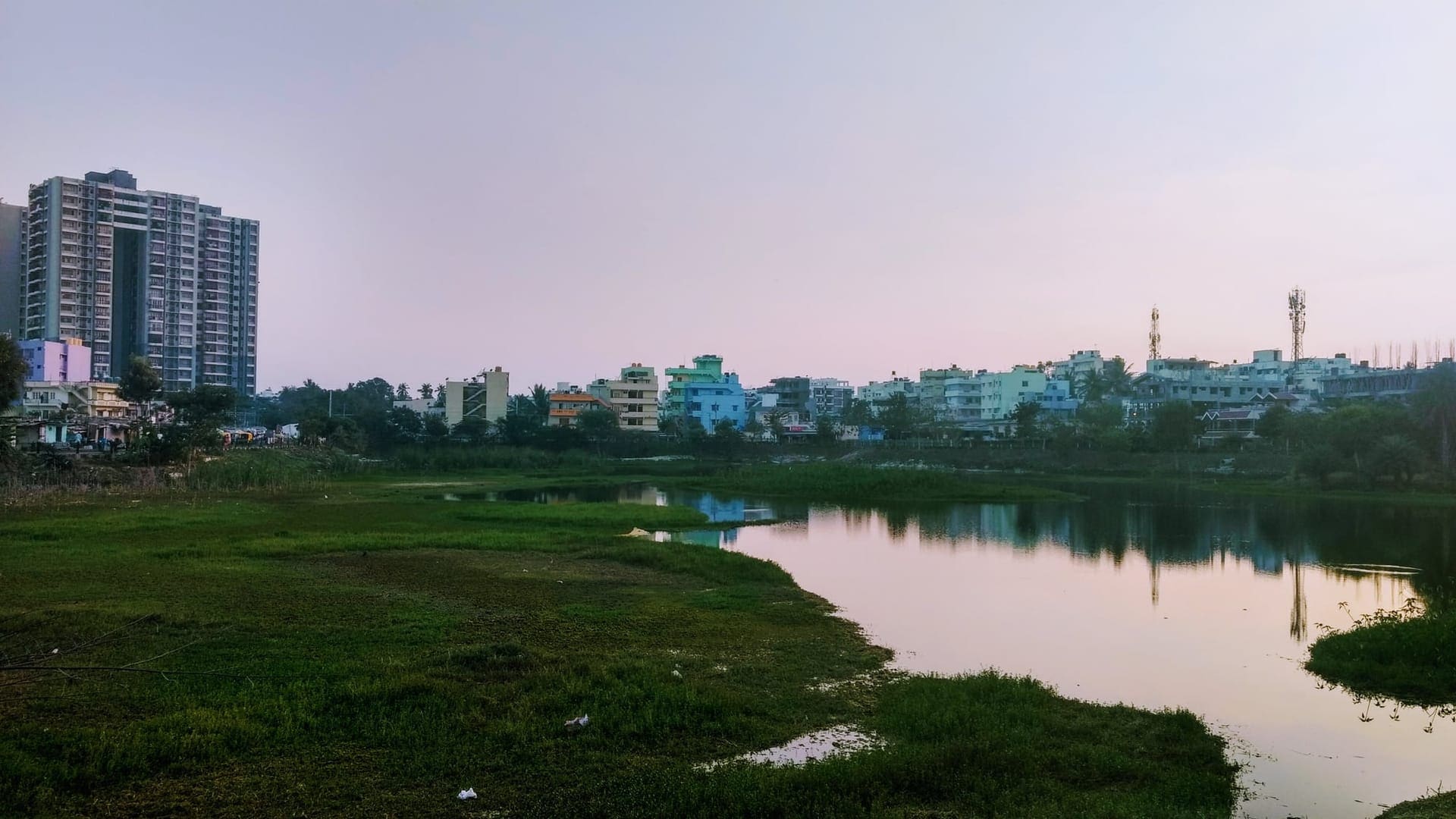
A small neighbourhood lake of about 13 acres in JP Nagar 7th Phase, ringed by a walking track of roughly 920 m and revived over years by local residents.
Why it’s here: Hidden spotUnusual experience

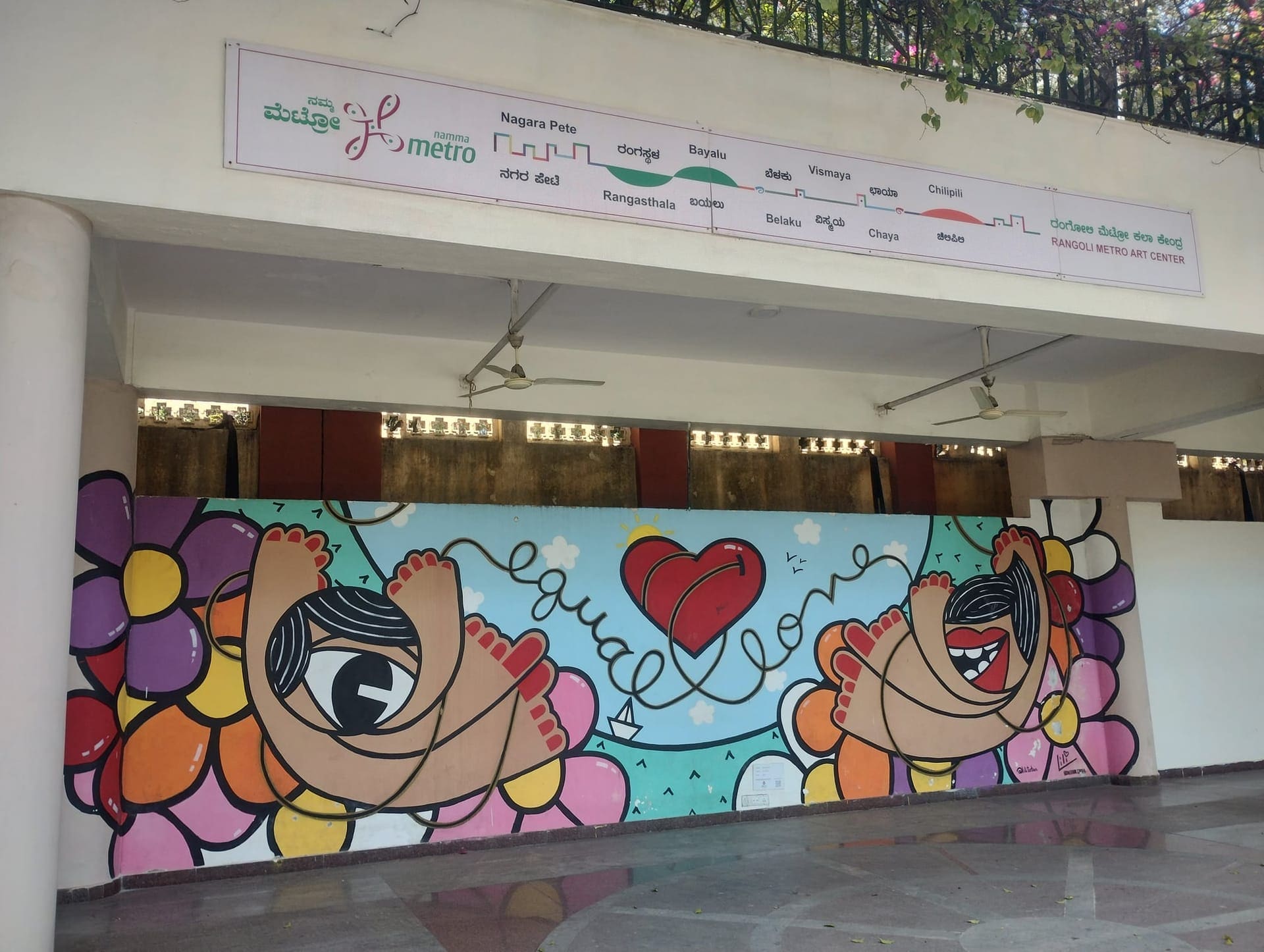
A BMRCL-run cultural space along the MG Road boulevard, opened in 2013, with small art galleries, courtyards, the Rangasthala auditorium and room for craft fairs and workshops.
Why it’s here: Pop-upUnusual experience

A shady 16-acre park around an ancient gneiss outcrop behind the Bull Temple, with an old watchtower, walking paths, an amphitheatre and a fruit-bat colony.
Why it’s here: Hidden spotUnusual experience

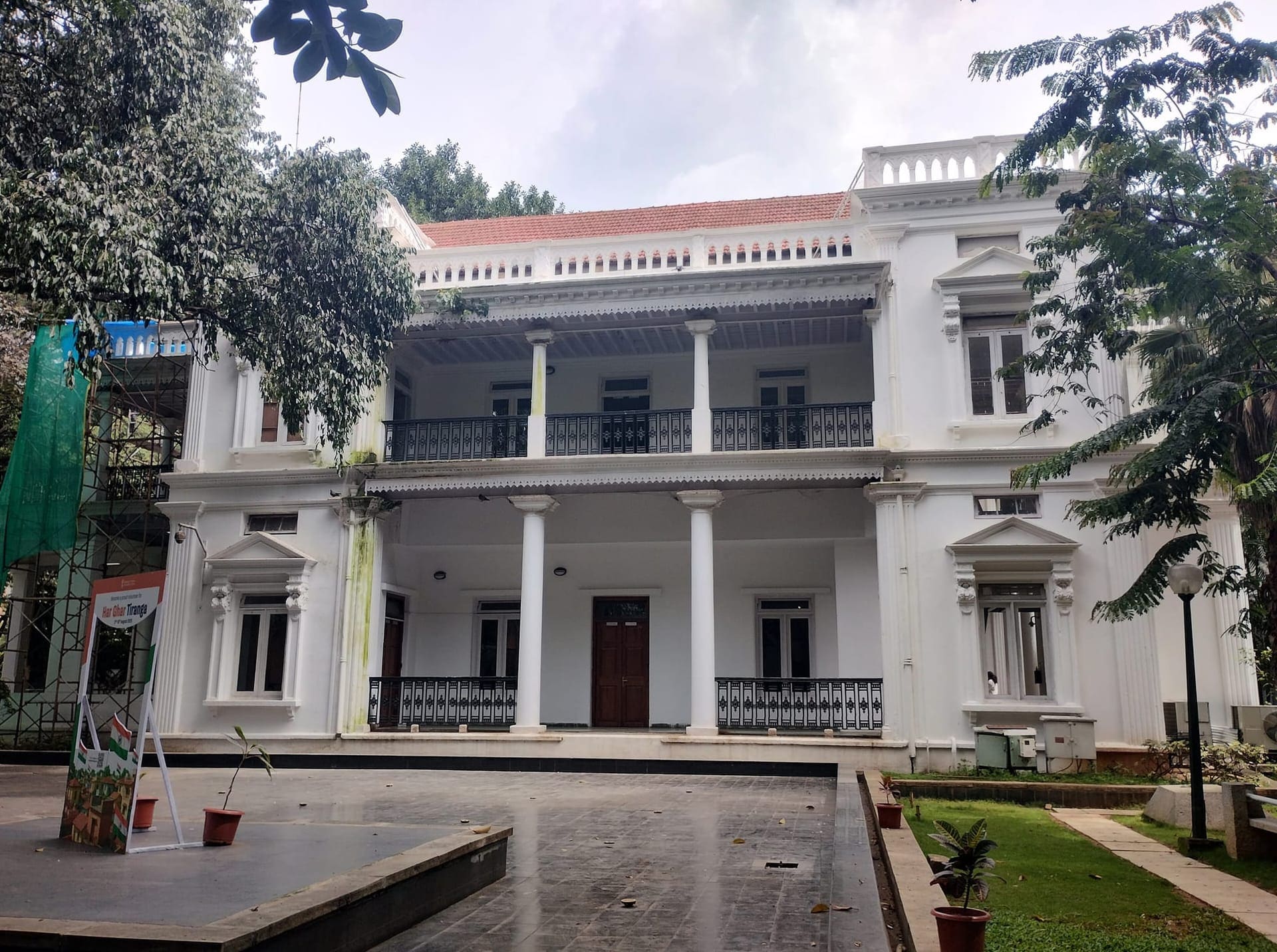
Ministry of Culture modern art gallery in the restored Manikyavelu Mansion, a former merchant's bungalow on a 3.5-acre site, open since February 2009.
Why it’s here: Hidden spotUnusual experience

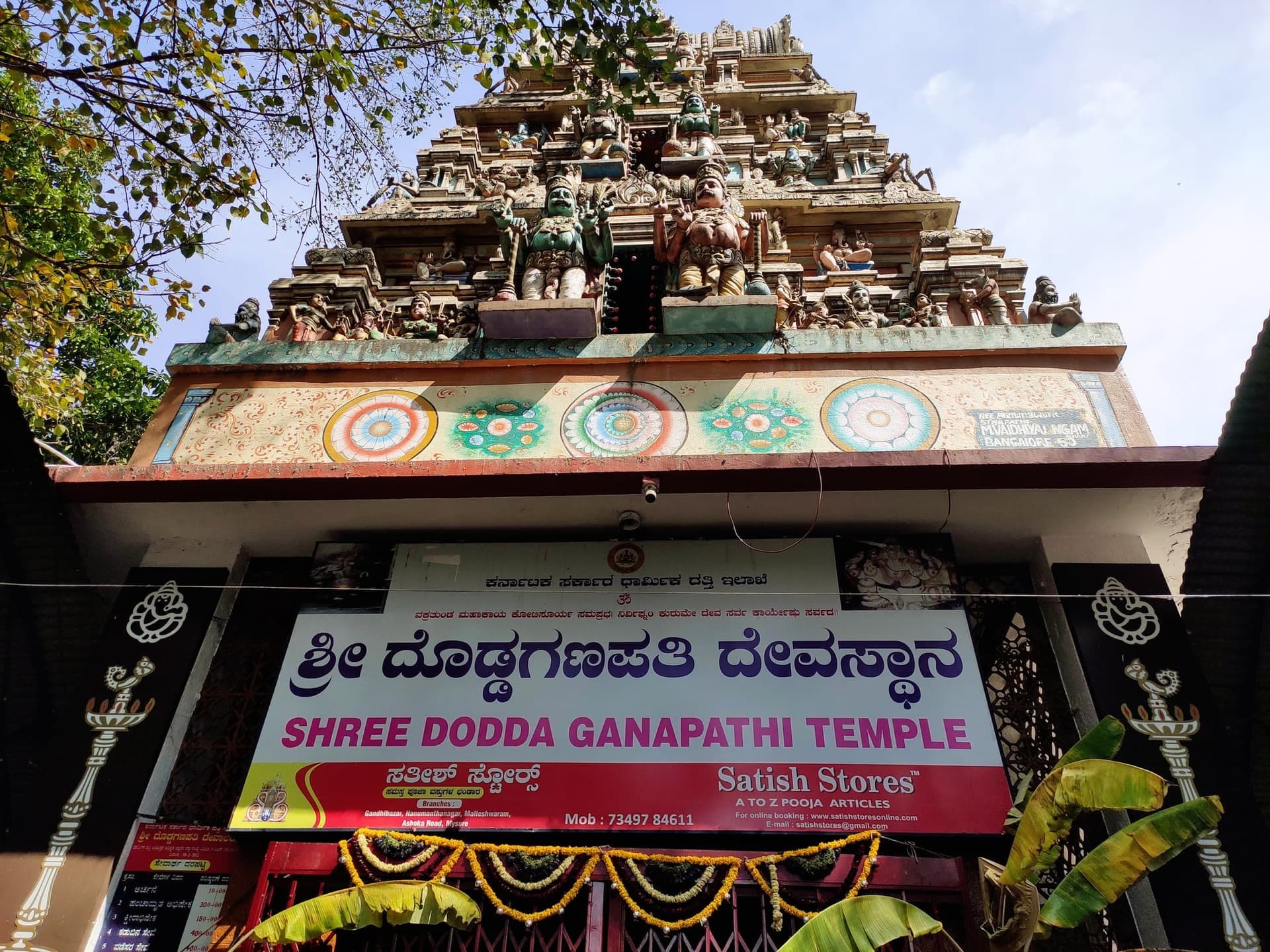
A Basavanagudi temple built around a monolithic Ganesha about 18 ft high and 16 ft wide, beside the Bull Temple with Bugle Rock garden behind. The idol is periodically covered in butter.
Why it’s here: Hidden spot

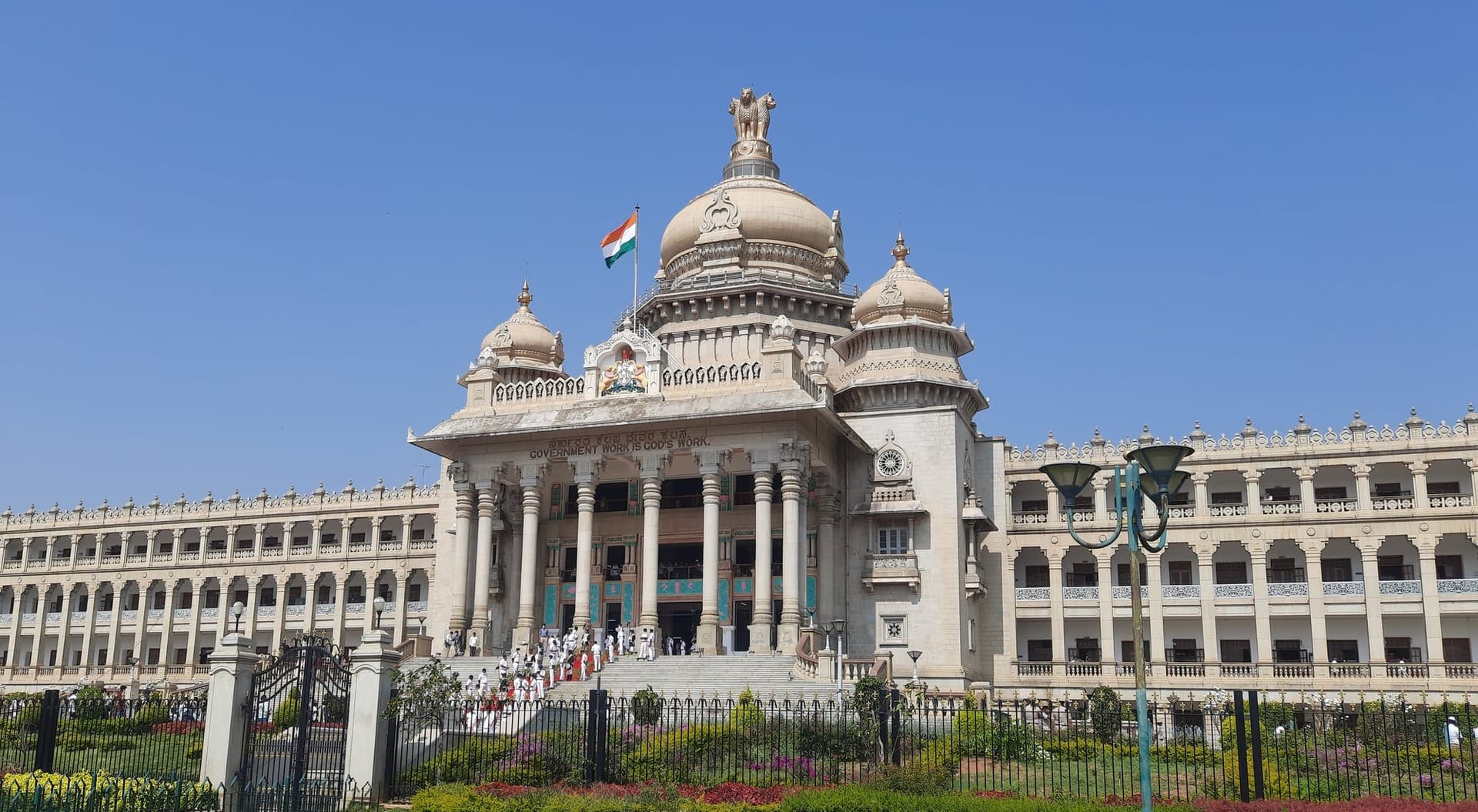
Karnataka's legislature building, a granite Neo-Dravidian landmark completed in 1956. KSTDC runs booked 90-minute walks inside on select weekends, covering the Grand Steps and the Assembly area.
Why it’s here: Unusual experienceDescribed as “only”

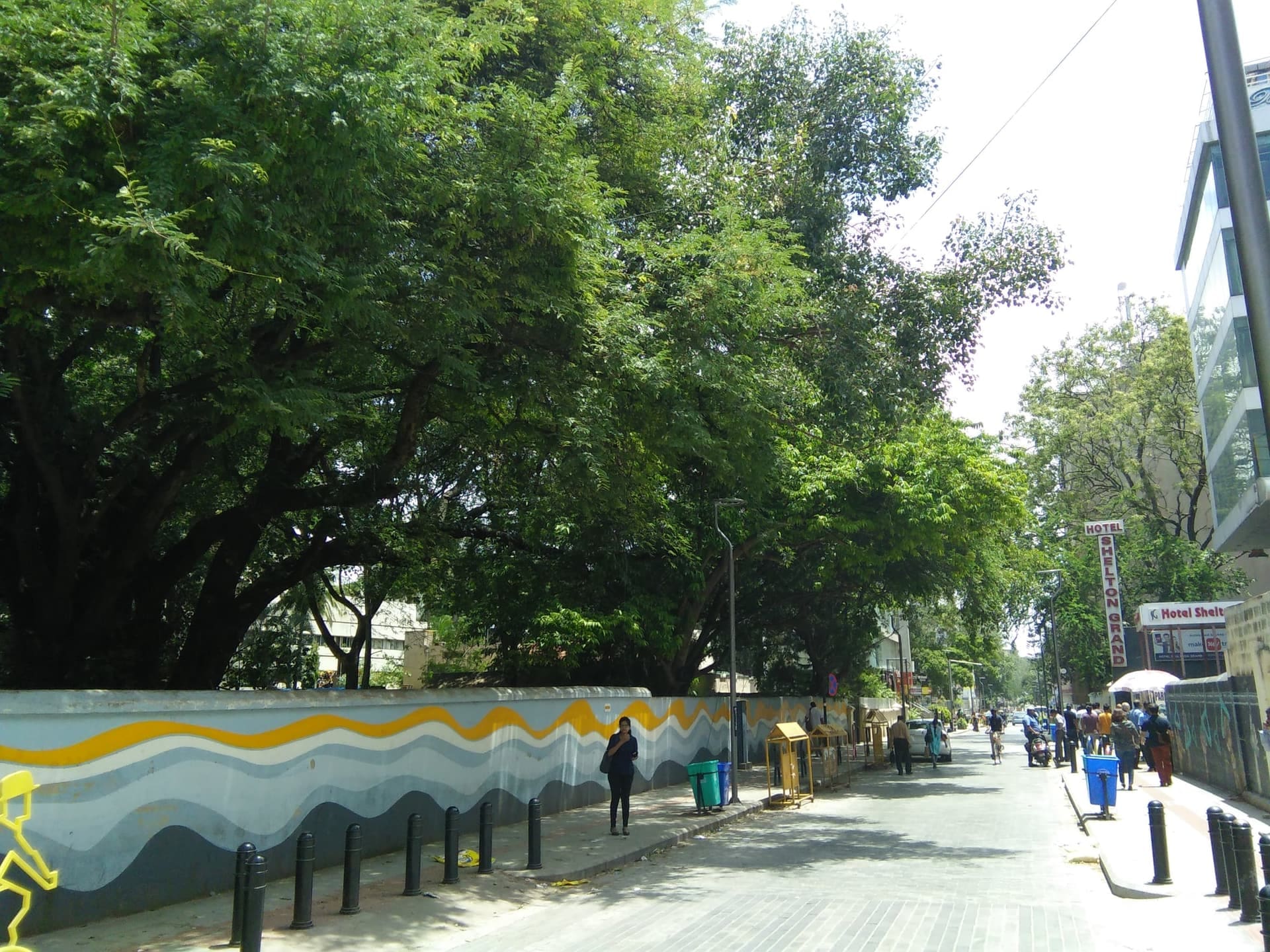
A 750 m cobbled street running parallel to MG Road, from Brigade Road to St. Mark's Road, packed with secondhand bookshops, cafes, restaurants and nightlife.
Why it’s here: Late nightUnusual experience

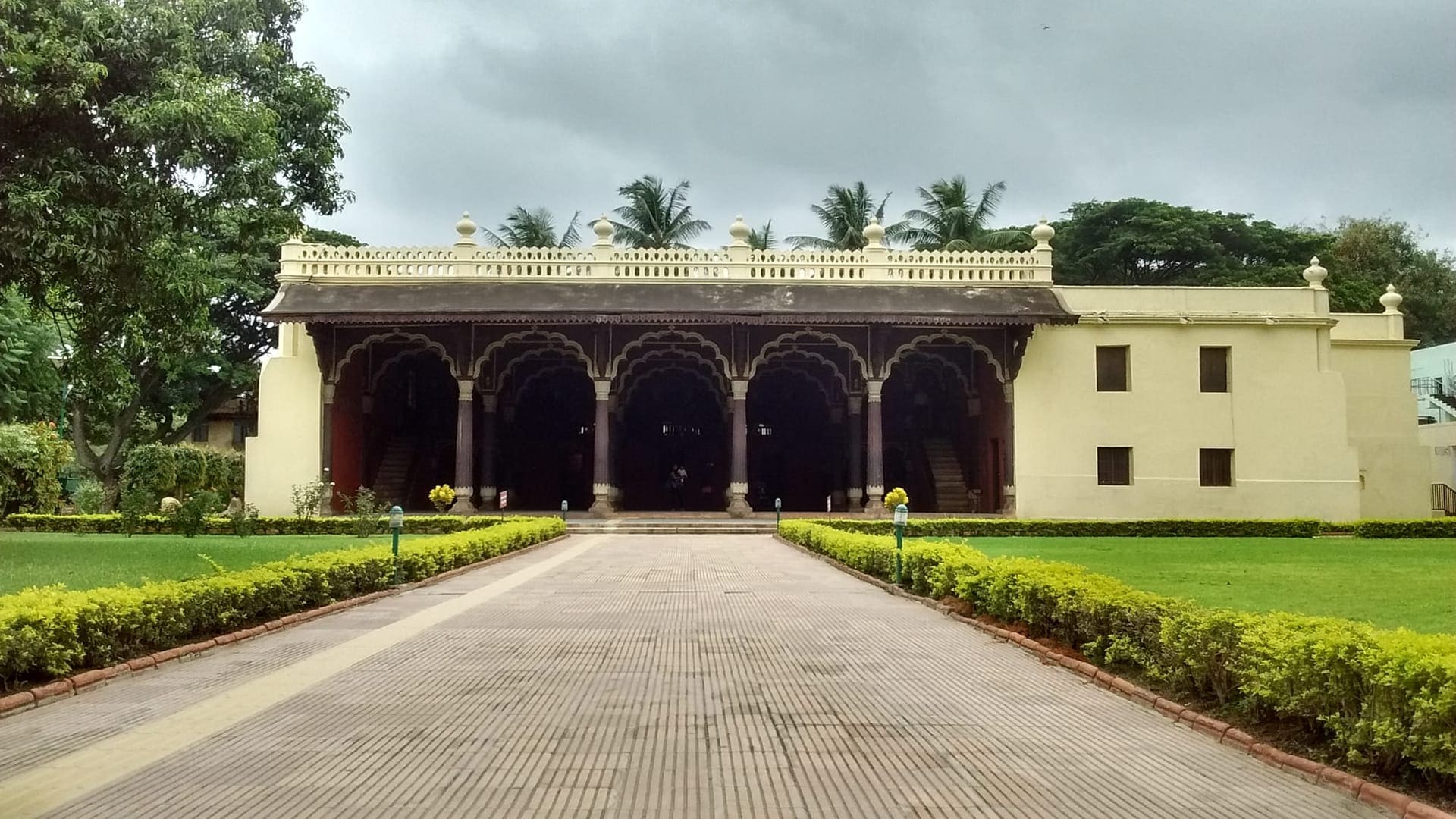
Two-storey teak palace inside the old Bangalore Fort, begun under Hyder Ali in 1781 and completed in 1791, now an ASI-maintained monument with a small museum on Tipu Sultan.
Why it’s here: Hidden spot

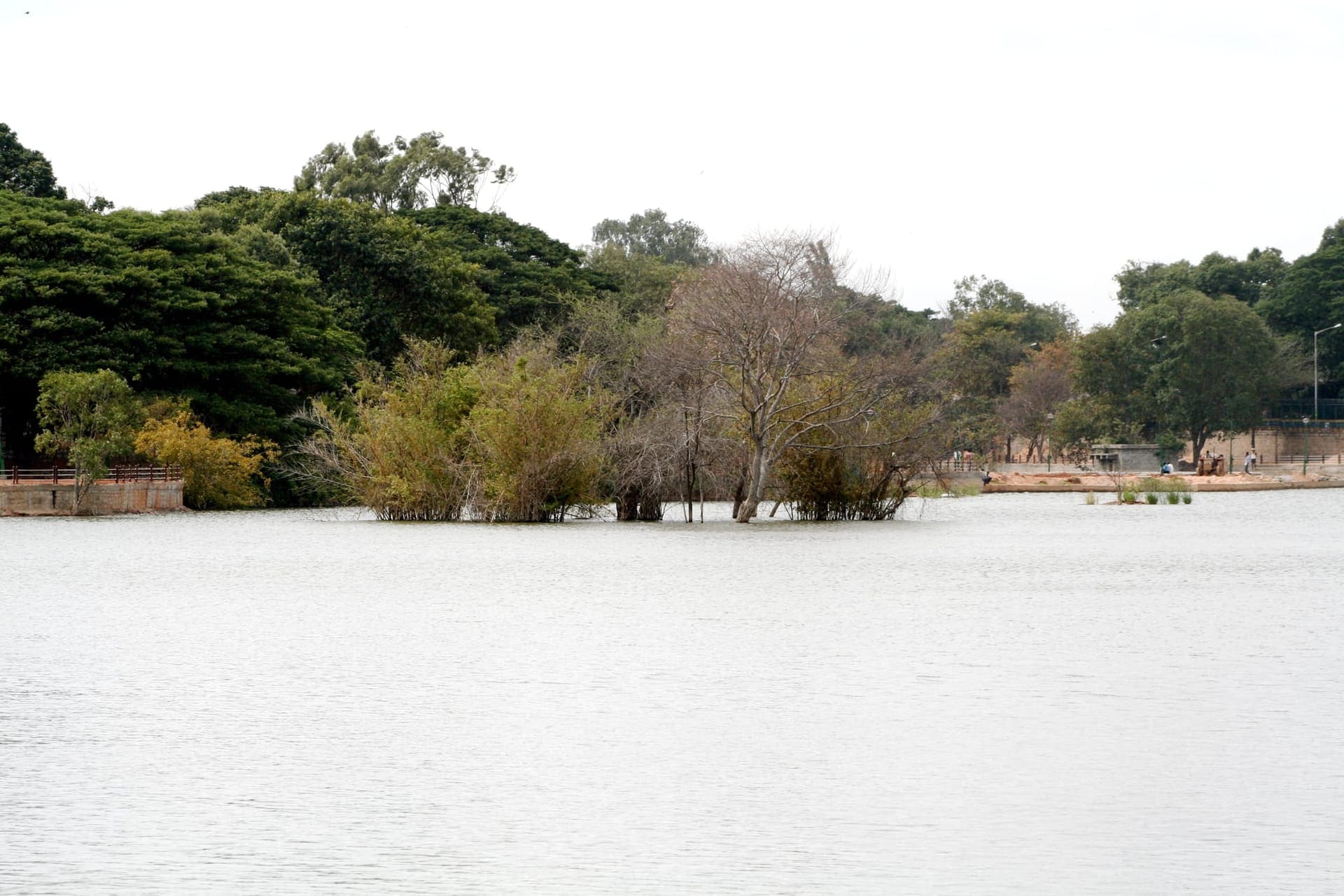
A roughly 37-acre artificial lake built in 1882 by Col. Richard Sankey of the Madras Sappers for Bangalore's water supply, restored and landscaped as a park in the early 2000s.
Why it’s here: Hidden spot

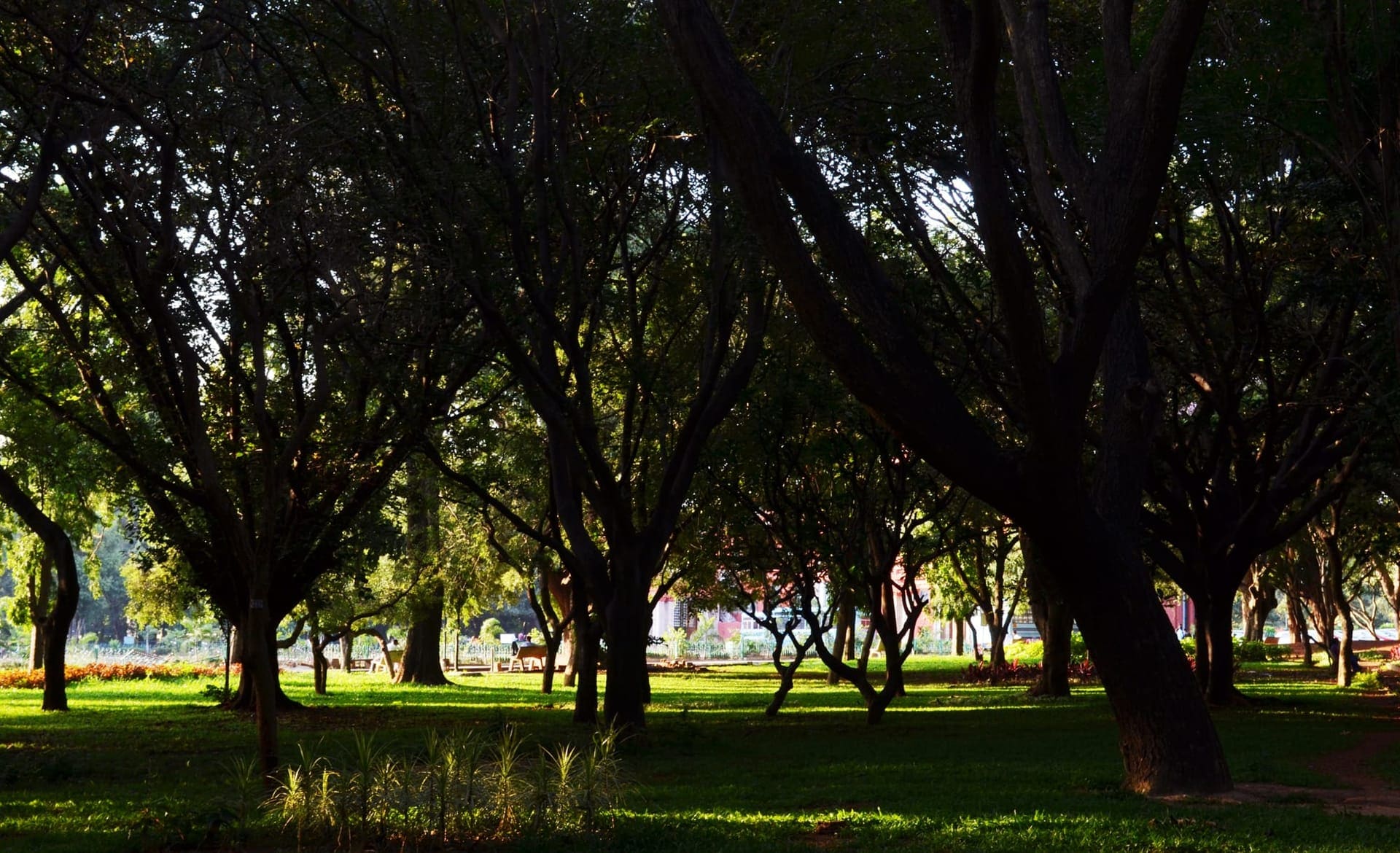
Roughly 300-acre park laid out in 1870 in the city centre, with 6,000+ trees, the red Seshadri Iyer Memorial Hall (State Central Library) and the 1864 Attara Kacheri (Karnataka High Court) at its edge.
Why it’s here: Hidden spot

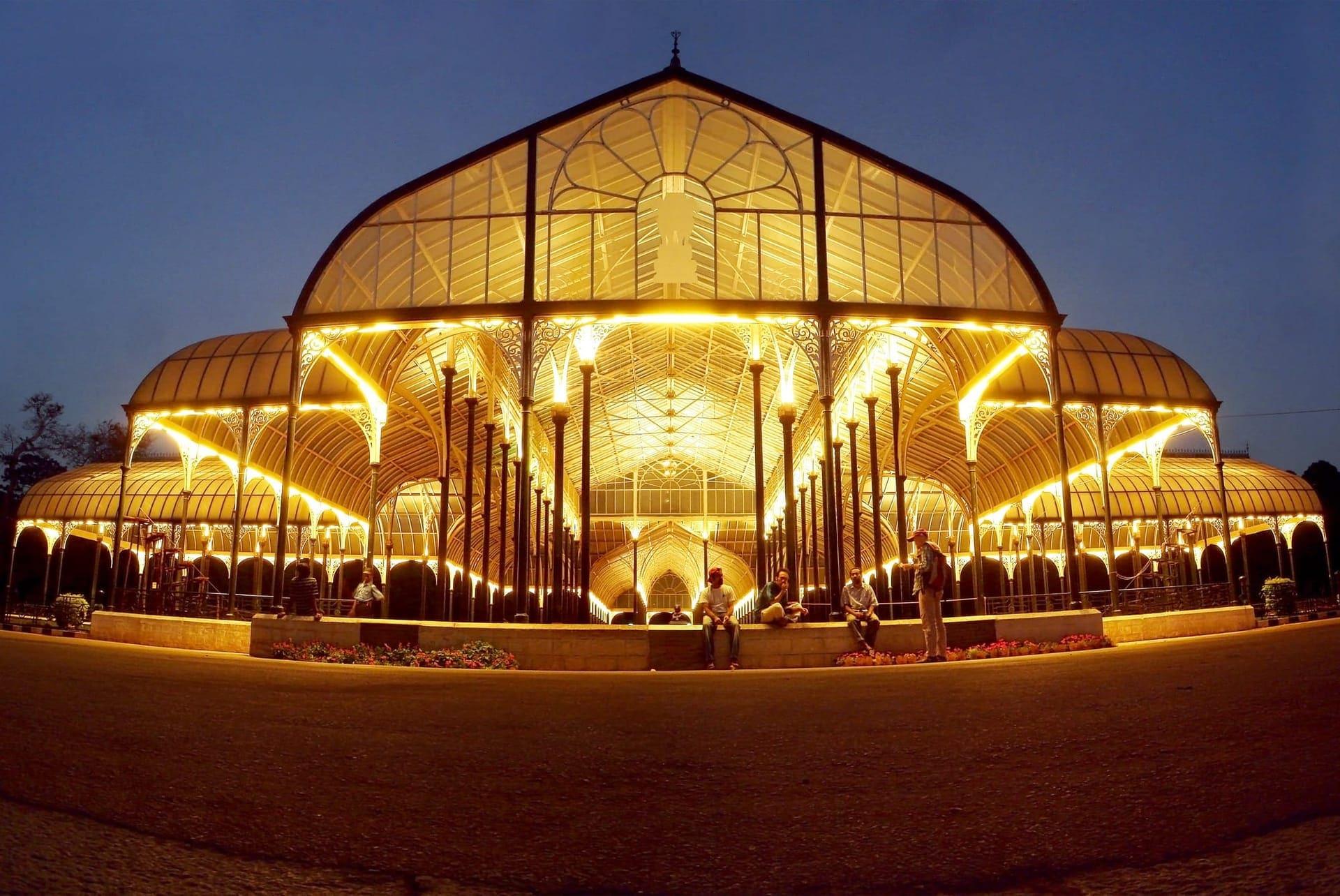
240-acre botanical garden run by Karnataka's Horticulture Department, begun by Hyder Ali around 1760, with an 1889 glass house and the 3,000-million-year-old Lalbagh Rock topped by a Kempegowda watchtower.
Why it’s here: Hidden spot